Rwanda Educational Tours
Rwanda educational tours are purpose-built learning programmes that integrate academics, culture, sustainability, and leadership development. At the core, Rwanda educational tours deliver measurable learning outcomes while offering immersive, real-world exposure aligned with global education standards. In practice, they combine structured visits to Rwanda’s historical sites, the National Museum of Rwanda, environmental conservation institutions, and community-based cultural initiatives. In addition, leadership development studies form an essential part of the learning framework.
Overall, this immersive approach blends history, culture, conservation, and wildlife. As a result, participants gain a deeper understanding of Rwanda beyond tourism by engaging directly with its people, institutions, and landscapes at a flexible and reflective pace.
Kigali Based Learning and Cultural Immersion
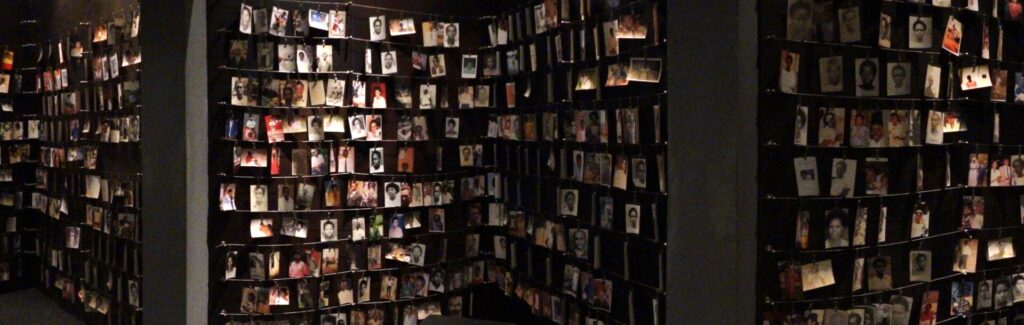
To begin with, the Rwanda educational tour starts in Kigali, introducing participants to the country’s modern identity and history. Specifically, visits include Genocide Memorials, the Liberation Museum, reconciliation villages, and community initiatives. Through these experiences, participants gain critical learning on peacebuilding, resilience, and post-conflict recovery.
At the same time, cultural immersion continues through guided walking tours led by local women’s cooperatives. For example, participants explore vibrant local markets and interact with artisans and social enterprises. Consequently, these encounters provide meaningful insight into everyday life, creativity, and community-driven development.
Heritage, Museums, and Community Education
As the Rwanda educational tour progresses south and west, the focus gradually shifts to heritage and education. In particular, visits to the King’s Palace Museum and the Ethnographic Museum reveal traditional governance systems, social structures, and Rwanda’s cultural evolution.
Beyond museums, community-based tourism experiences deepen the learning process. For instance, village life visits and cooperative projects highlight inclusive development models and sustainable livelihoods. In this way, academic concepts connect directly with lived community realities.
Environmental and Conservation Rwanda Educational Tours
Moving westward, environmental education becomes a central theme of the journey. At this stage, participants visit key conservation institutions such as Kitabi Conservation College and the Museum of Environment. Through these visits, Rwanda educational tours provide practical insight into climate resilience, biodiversity conservation, and sustainable natural resource management.
Following this, the experience continues in Nyungwe Forest National Park. Here, participants explore rainforest ecosystems through guided canopy walks and chimpanzee tracking. At the same time, learning sessions linked to sustainable tea production demonstrate the close relationship between conservation and local livelihoods.
Wildlife Conservation and Community Impact
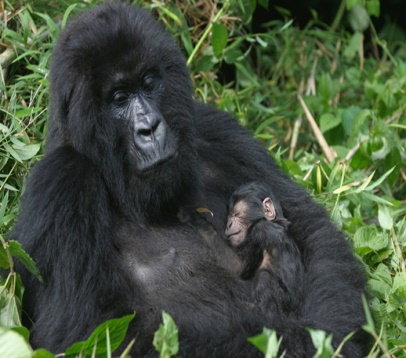
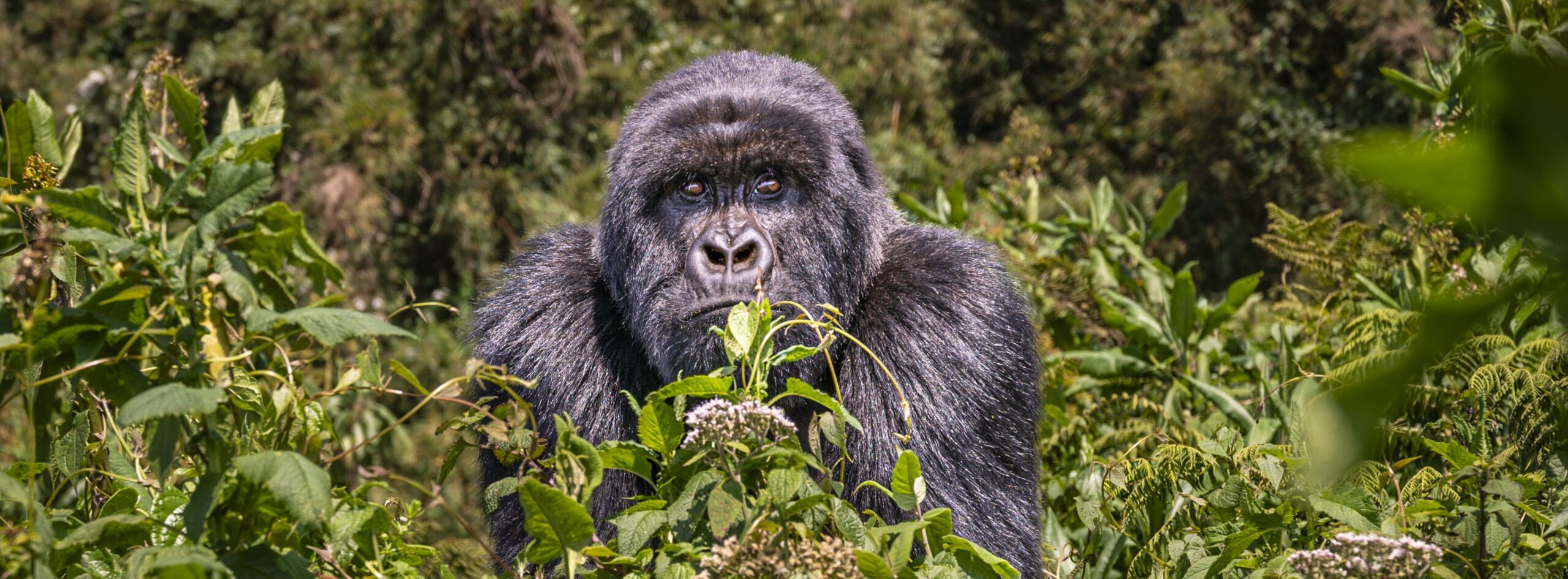
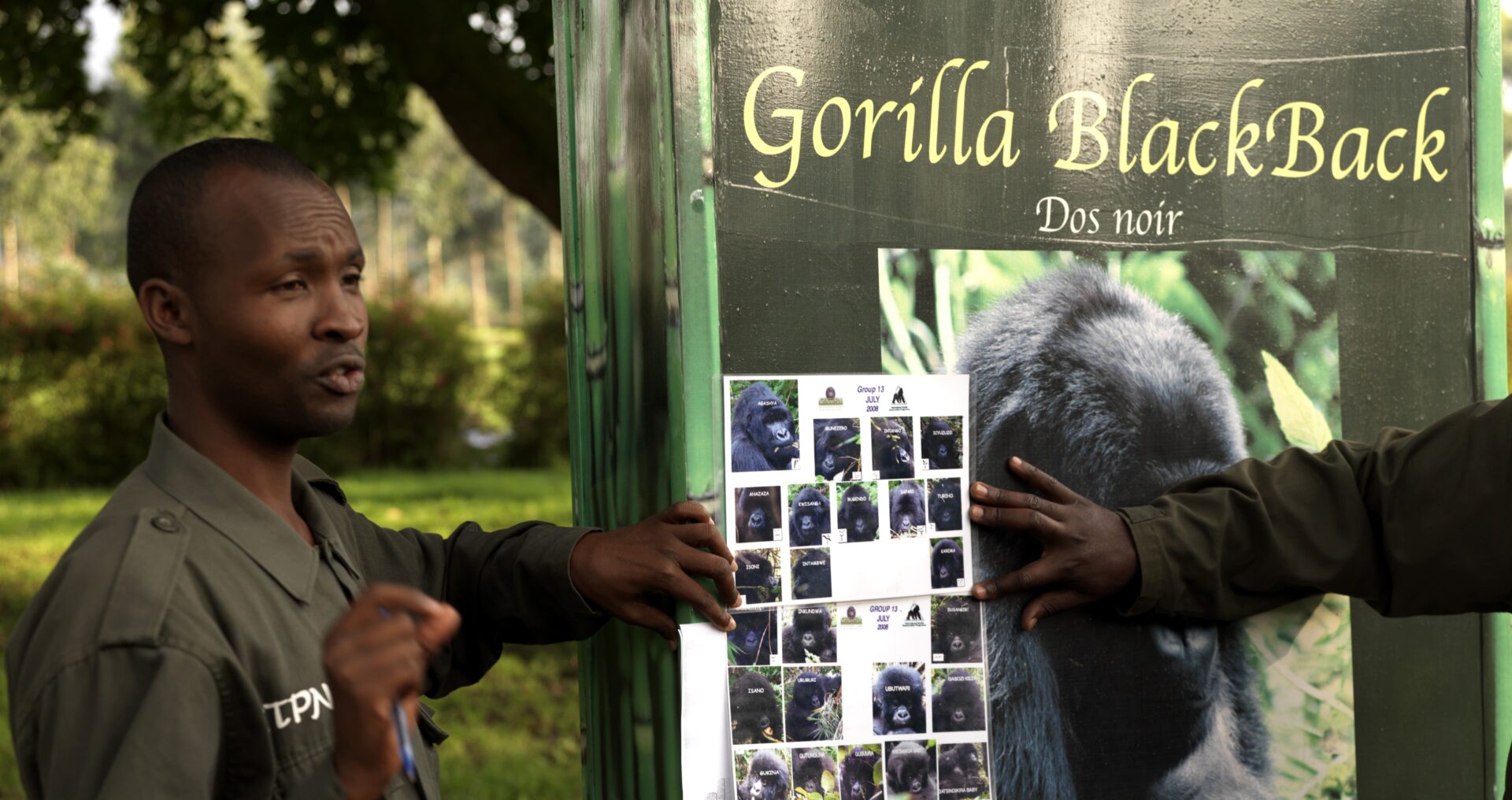
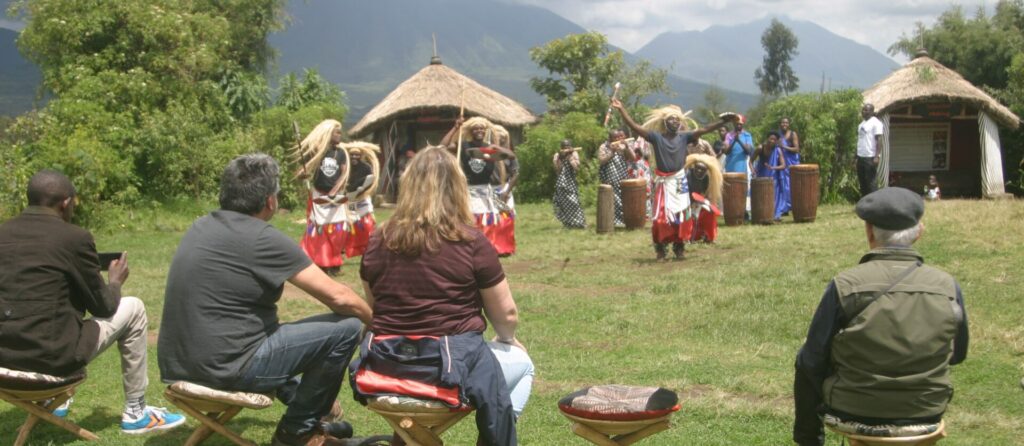
Next, the Rwanda educational tour moves to the northern and eastern regions. In these areas, the focus shifts toward wildlife conservation and community impact. Notably, primate trekking and community visits around Volcanoes National Park clearly demonstrate the relationship between biodiversity protection and local development.
Subsequently, participants proceed to Akagera National Park. There, they explore savannah ecosystems, large mammal conservation, and wetland biodiversity through guided game drives and boat safaris. In addition, a visit to a youth empowerment village highlights how conservation supports sustainable livelihoods and long-term opportunities for local communities.
Learning Outcomes from Rwanda Educational Tours
Finally, the Rwanda educational tour concludes in Kigali with visits focused on urban ecology and the creative industries. Through these experiences, participants reinforce key lessons in sustainability, innovation, and cultural expression within a modern African city.
In conclusion, Rwanda educational tours present a comprehensive educational model. More importantly, they demonstrate how tourism can actively support learning in history, conservation, community development, and sustainable travel. Ultimately, the programme delivers a deeply enriching educational experience of Rwanda. If you would like to experience this firsthand, contact us to organise your Rwanda educational tour. Our team will support you throughout the planning process.
FAQ’S
Are there any discounts available for student groups?
Yes. Schools and educational institutions booking Rwanda educational tours can receive group discounts starting at 10% for groups of 15 students or more. Additional low-season discounts are available for tours scheduled between March and June, or September and November. Discounts may also apply when booking multi-day tours spanning more than three nights or combining visits to multiple parks. To confirm eligibility and secure the best rate, contact our team when planning your tour.
What safety measures are in place for student groups?
All Rwanda educational tours include guided activities with professional rangers, educators, and community leaders. Safety protocols are followed in parks, museums, and community visits, ensuring students are supervised at all times.
Can Rwanda educational tours be tailored for specific curricula or learning goals?
Yes. Tours can be customized to align with school curriculums, academic projects, or experiential learning objectives. Educators can select sites, activities, and workshops to focus on history, conservation, leadership, or cultural immersion.
What are the minimum ages for participating in Rwanda educational tours?
Most Rwanda educational tours welcome students from 10 years old and up. Certain activities, such as primate trekking or canopy walks in Nyungwe Forest, have higher minimum ages, usually 12 years or older for safety reasons. Our team can help tailor itineraries to suit younger students with age-appropriate learning experiences and supervised activities.