Big Five Animals in Akagera National Park
Akagera National Park, known in Kinyarwanda as Pariki y’Igihugu y’Akagera, is Rwanda’s only savannah park and home to the Big Five animals in Akagera National Park. Stretching along the eastern border and fed by Umugezi w’Akagera (The Akagera River), the park protects a wide collection of plains, woodland, and lakes within a carefully managed conservation landscape.
Founded in 1934, Akagera faced challenges during Rwanda’s past, including poaching and habitat loss. Over the last 20 years, bold conservation efforts restored its wildlife and strengthened protection across Akagera National Park. Today, the lion population has grown from zero to 58. Just last year, the park received a group of rescued white rhinos. Akagera is both a sanctuary and a model of sustainable tourism, and every visit supports wildlife and local communities that depend on the Big Five animals in Akagera National Park.
Rwanda Eco Company & Safaris works closely within this conservation framework. Our team plans regular game drives, boat safaris, and wildlife-focused itineraries in the park, giving us firsthand knowledge of animal movements, seasonal conditions, and responsible safari practices linked to the Big Five animals in Akagera National Park.
The Big Five Animals in Akagera National Park
The “Big Five”, Lion, Leopard, Elephant, Rhino, and Buffalo, once symbolized animals that disappeared from Rwanda due to poaching and conflict. Today, in Akagera National Park, the Big Five animals in Akagera National Park represent national recovery, conservation leadership, and hope.
Unlike other African destinations, Rwanda’s Big Five are not ancient survivors. Conservation teams carefully restored the Big Five animals in Akagera National Park through bold efforts led by the Rwanda Development Board and African Parks. While some of these animals may trace their roots to Rwanda, the park also serves as a safe haven for animals from other regions.
Akagera offers protection to species in endangered conditions. Here, lions, rhinos, and elephants carry the weight of a global struggle against poaching. Their presence reminds visitors that survival remains fragile and ongoing for the animals in the park.
For Rwanda Eco, Akagera is vital. It stands as a cornerstone of our conservation commitment, supporting a sanctuary where endangered species can thrive and where every safari contributes directly to protecting the Big Five animals in Akagera National Park.
For visitors, seeing the Big Five animals in Akagera National Park is the epitome of wildlife viewing. It means witnessing one of Africa’s most successful rewilding stories unfold in real time.
The Big Five Animals in Akagera National Park are as follows:
- Lion (Intare)
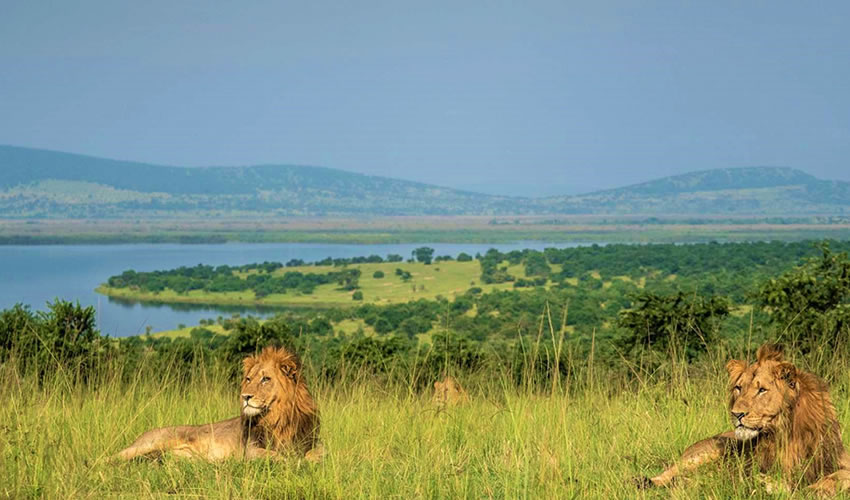
Just over 20 years ago, Rwanda had no lions. Today, Akagera is home to 58 individuals due to successful reintroductions and strong protection. As part of the Big Five animals in Akagera National Park, lions symbolize bravery and leadership in Rwandan culture.
Watching a pride resting in Akagera’s savannah reflects how far Rwanda has come, moving from loss to renewal.
- Elephant (Inzovu)
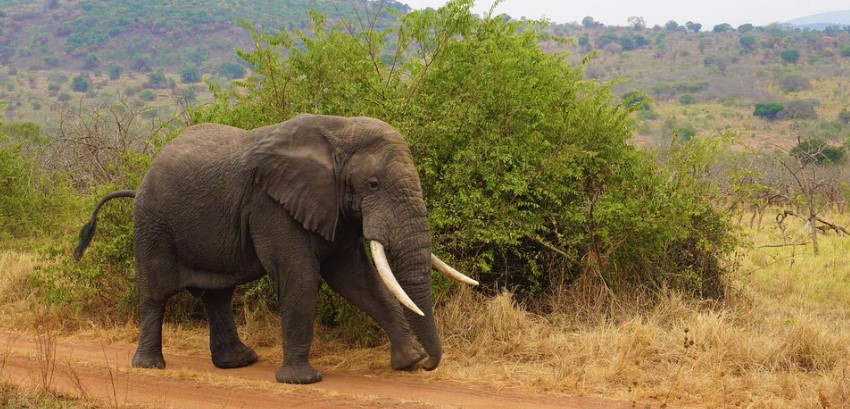
Elephants in Rwanda represent wisdom and memory. As one of the Big Five animals in Akagera National Park, elephants roam freely across wetlands and open plains, shaping the ecosystem as they move.
Their calm strength and close family bonds create a deep emotional connection for visitors exploring Rwanda’s natural heritage.
- Leopard (Ingwe)
Rare, elusive, and intelligent, the leopard is Akagera’s most mysterious Big Five member, and it symbolizes patience and strategy.
Visitors often spot leopards during night game drives. Many consider the sighting pure luck and remember it as a highlight of their safari in Akagera National Park.
- Rhino (Inkura)
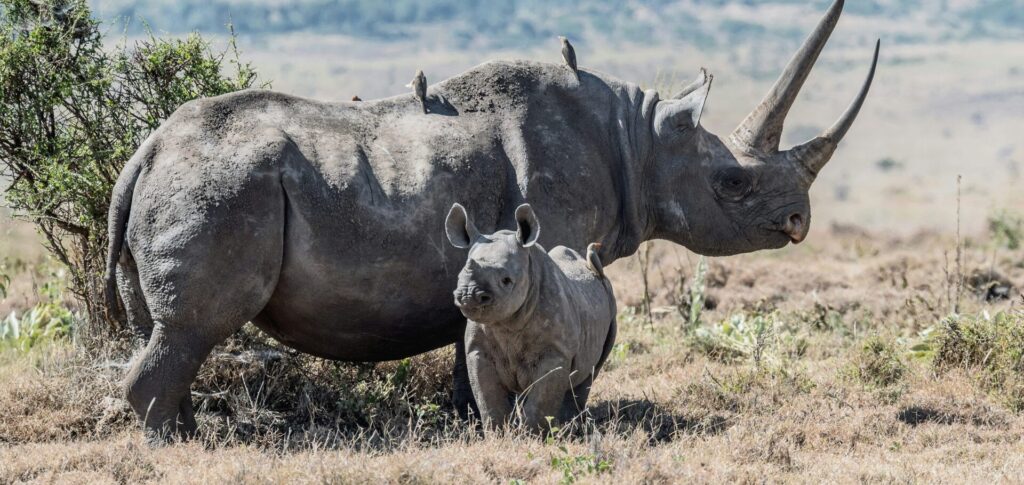
In a landmark conservation achievement, conservationists translocated 70 Southern White Rhinos to Akagera. This marked Africa’s first cross-continental rhino rewilding initiative and secured the future of the Big Five animals in Akagera National Park.
Once extinct in Rwanda, rhinos now thrive under round-the-clock protection. For visitors, their presence proves that conservation can reverse extinction.
- Buffalo (Imbogo)
The African buffalo is known for its unpredictable nature and strong herd loyalty, it symbolizes community and resilience in Rwanda.
Watching a herd move together across Akagera’s plains feels both thrilling and humbling.
How to Spot the Big Five in Akagera National Park
Spotting the Big Five animals in Akagera National Park requires preparation. Safaris take place in specialized 4×4 vehicles, and visitors should bring binoculars and cameras.
While inside the park, guests must remain in the vehicle, keep voices low, avoid sudden movements, never feed animals, and always follow guide instructions.
Best Times and Safari Experiences in Akagera
Early morning and late afternoon game drives offer the best lighting and higher chances of sightings of the Big Five animals in Akagera National Park. Meanwhile, night drives reveal nocturnal predators such as leopards and hyenas.
During the dry season from June to September, wildlife gathers near waterholes, making sightings more predictable. However, animals remain visible year-round, with game drives lasting between three and five hours.
Additionally, visitors can enjoy boat safaris on Lake Ihema or guided walking safaris along designated trails. Families are welcome, and safety measures protect both guests and wildlife.
Ultimately, Akagera’s eco-tourism approach ensures that each visit supports anti-poaching efforts, habitat restoration, and local communities. As a result, photography enthusiasts, families, and eco-conscious travelers all find meaningful experiences.