
Uganda has many sightseeing attractions beyond its national parks and wildlife. The country has traditional royal palaces, historical monuments, museums, art galleries, religious landmarks and interesting geographical features. Some of these attractions are found in Kampala, while others are spread across different regions of the country.
If you are planning a visit, this guide covers some of the most interesting things to see in Uganda, particularly if you would like to learn about its history, culture, religion and geography.
1. Royal Palaces, Tombs and Cultural Heritage Sites
Uganda has several traditional kingdoms, including Buganda, Bunyoro, Tooro and Ankole. Their former palaces, royal tombs and cultural sites are important places to visit.
- Kasubi Royal Tombs, Kampala: A UNESCO World Heritage Site and burial ground of four former kings of Buganda. The main tomb building is an example of traditional Ganda architecture.
- Kabaka’s Palace (Lubiri), Mengo: The official residence of the King of Buganda. It also has historical connections to the government of Idi Amin.
- Bulange Royal Building, Kampala: The administrative headquarters of the Buganda Kingdom, where its parliament, the Lukiiko, meets.
- Naggalabi Buddo Coronation Site: The traditional coronation grounds of the kings of Buganda.
- Wamala Royal Tombs, Kampala: A royal burial site associated with Kabaka Suuna II and the Buganda Kingdom.
- Mparo Royal Tombs, Hoima: The burial grounds of former Bunyoro kings, including Omukama Kabalega.
- Nkokonjeru Royal Tombs, Mbarara: A historical burial site associated with the former Ankole Kingdom.
- Karuzika Palace, Fort Portal: The royal residence of the Omukama of Tooro and an important cultural landmark.
2. Museums and Cultural Collections
Museums in Uganda preserve information about the country’s history, traditional practices, archaeology and different communities.
- Uganda National Museum, Kampala: Established in 1908, it has collections covering archaeology, cultural traditions, musical instruments and natural history. Check its reopening status before visiting, as it has been listed for renovation.
- Moroto Regional Museum, Karamoja: Showcases the cultural heritage and traditional practices of communities in northeastern Uganda.
- Soroti Regional Museum, Eastern Uganda: Features the history and cultural traditions of the Teso region.
- Kabale Regional Museum, Western Uganda: Provides information about the history and cultural heritage of the Kigezi region.
3. Art Galleries and Creative Spaces
Kampala has several galleries and creative institutions where visitors can learn about Ugandan and contemporary African art.
- Nommo Gallery: One of Uganda’s established art galleries, displaying works by local artists.
- Afriart Gallery: Exhibits contemporary African art, including paintings and sculptures.
- 32° East Ugandan Arts Trust: Supports local artists through exhibitions, workshops and creative programmes.
- Margaret Trowell School of Industrial and Fine Arts, Makerere University: An important institution for art education and the development of Ugandan visual artists.
4. Historical Sites and Monuments
These attractions help explain important events and periods in Uganda’s history.
- Independence Monument, Kampala: Commemorates Uganda’s independence from Britain on 9 October 1962.
- Nyero Rock Paintings, Kumi: Ancient rock paintings featuring geometric patterns, believed to have been created by early hunter-gatherer communities.
- Bigo bya Mugenyi, Western Uganda: An archaeological site featuring ancient earthworks, including ditches and embankments.
- Fort Patiko, Gulu: Also known as Baker’s Fort, this nineteenth-century site is associated with British explorer Samuel Baker.
- Amabere ga Nyinamwiru, Fort Portal: A site of cultural and historical significance associated with the legend of Princess Nyinamwiru. It also has interesting limestone formations.
- Makerere University Main Building, Kampala: Known as the Ivory Tower, it is an important educational and architectural landmark in East Africa.
5. Religious Sites and Pilgrimage Destinations
Uganda has important Christian, Muslim and Bahá’í religious landmarks. Some attract large numbers of pilgrims every year.
- Uganda Martyrs Shrine, Namugongo: Commemorates Christian converts executed during the reign of Kabaka Mwanga II. It is the main destination for Uganda Martyrs Day celebrations on 3 June.
- Munyonyo Martyrs Shrine, Kampala: A Catholic pilgrimage site commemorating the early events surrounding the Uganda Martyrs.
- Bahá’í House of Worship, Kampala: The only Bahá’í House of Worship in Africa, located on Kikaya Hill.
- Gaddafi National Mosque, Kampala: One of Uganda’s largest mosques, located on Old Kampala Hill.
- Rubaga Cathedral, Kampala: Also called St Mary’s Cathedral, it is an important Catholic landmark.
- Namirembe Cathedral, Kampala: A major Anglican cathedral with a long history in Uganda.
- Kibuli Mosque, Kampala: An important Islamic landmark situated on Kibuli Hill.
6. Natural Landmarks and Geographical Attractions
Some of the most popular things to see in Uganda are its geographical features, waterfalls, mountains, lakes and unusual natural formations.
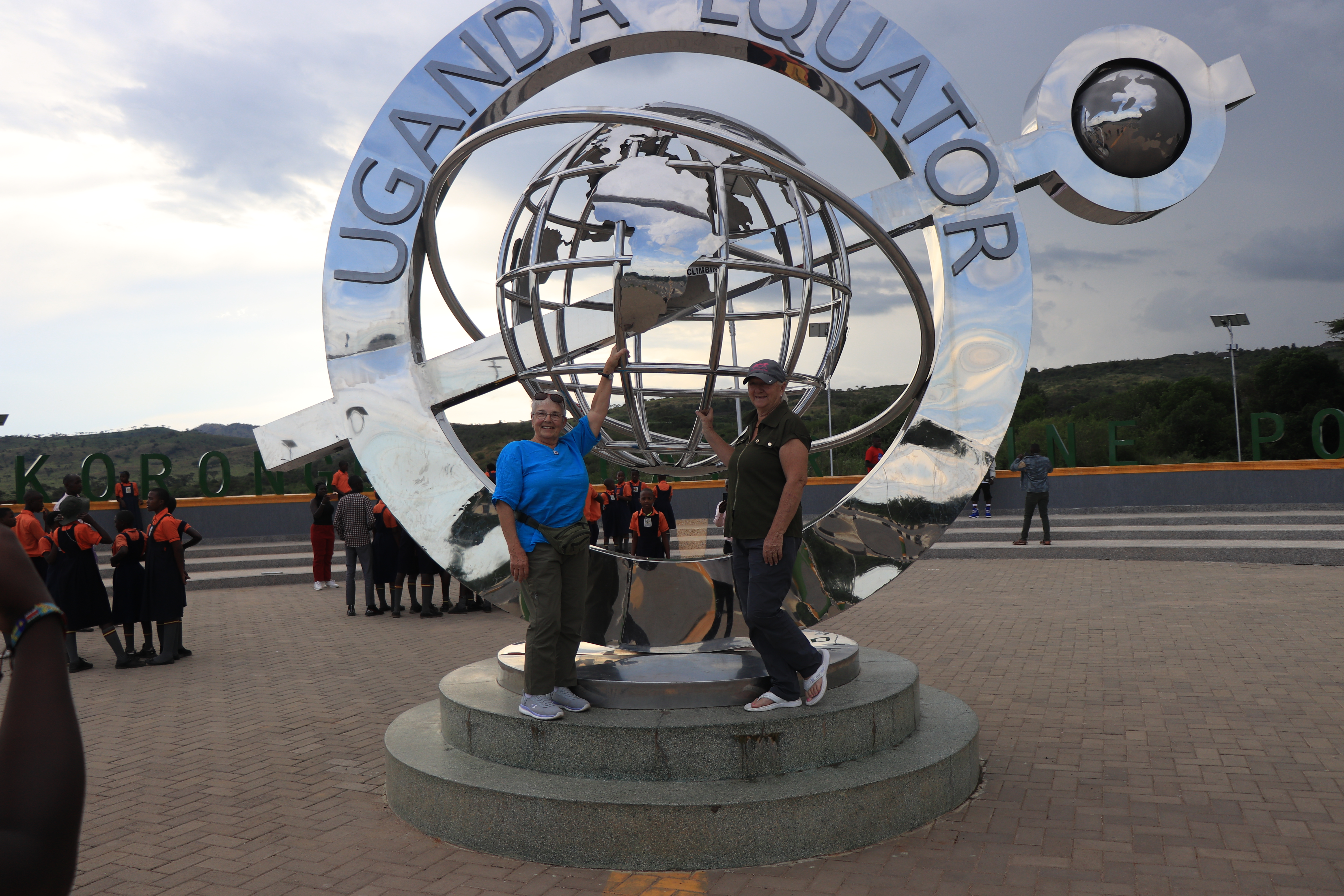
- Uganda Equator, Kayabwe: A popular stop along the Kampala-Masaka highway where visitors can stand in both the Northern and Southern Hemispheres.
- Source of the Nile, Jinja: The point where the Nile begins its journey northwards from Lake Victoria. Boat trips are available.
- Sipi Falls, Eastern Uganda: A group of three waterfalls on the foothills of Mount Elgon, accessible through guided hikes.
- Amabere ga Nyinamwiru Caves, Fort Portal: Limestone caves featuring stalactites, water formations and local legends.
- Semuliki Hot Springs, Bundibugyo: Two famous hot springs, known as the male and female springs, located in Semuliki National Park.
- Murchison Falls, Northwestern Uganda: The Victoria Nile forces its way through a narrow gorge before dropping into the river below.
- Rwenzori Mountains: Also known as the Mountains of the Moon, this mountain range is recognised for its high peaks, glaciers and unique vegetation.
- Lake Bunyonyi, Southwestern Uganda: A lake surrounded by terraced hills and numerous small islands.
- Fort Portal Crater Lakes: Includes Lake Nkuruba, Lake Nyinambuga and Lake Kyaninga, among other volcanic crater lakes.
- Lake Victoria and Ssese Islands: Visitors can explore the islands, enjoy boat trips and learn about lakeside communities.
- Nakayima Tree, Mubende: An ancient tree associated with traditional spiritual beliefs and cultural practices.
7. Other Interesting Places to Visit
There are several additional attractions that can be included in a sightseeing itinerary around Uganda.
- Ndere Cultural Centre, Kampala: Offers traditional music, dance and cultural performances from different Ugandan communities.
- Entebbe Botanical Gardens: A lakeside garden with indigenous trees and birdlife.
- Uganda Wildlife Education Centre, Entebbe: A conservation and wildlife education centre.
- Mabamba Swamp, Entebbe: A well-known birdwatching destination, particularly for spotting the shoebill stork.
- Katonga Wildlife Reserve: A protected area consisting of wetlands and savannah habitats.
- Bujagali Falls area, Jinja: Known for Nile River scenery and adventure activities.
- Kibale Forest: Famous for chimpanzee trekking and forest biodiversity.
- Bwindi Impenetrable National Park: A UNESCO World Heritage Site and an important habitat for mountain gorillas.
The best places to visit will depend on your travel time and preferred destinations. Kampala is a good starting point for royal tombs, museums, religious landmarks and historical monuments. Eastern Uganda has the Nyero Rock Paintings and Sipi Falls, while western Uganda has the royal tombs of Bunyoro, Tooro cultural sites, crater lakes and the Rwenzori Mountains.
At Rwanda Eco Company & Safaris, we can help you plan a Uganda trip that includes sightseeing alongside wildlife experiences, cultural visits and national park activities.
Contact us to begin planning your trip
Frequently Asked Questions
What are the main things to see in Uganda? +
Some popular attractions include Kasubi Royal Tombs, the Uganda Equator, Source of the Nile, Murchison Falls, Sipi Falls, Uganda Martyrs Shrine and the Rwenzori Mountains.
What can I see in Kampala? +
You can visit the Kabaka's Palace, Kasubi Royal Tombs, Bulange, Gaddafi National Mosque, Bahá'í Temple, Namirembe Cathedral, Rubaga Cathedral and Independence Monument.
Does Uganda have museums and art galleries? +
Yes. Some include the Uganda National Museum, Moroto Regional Museum, Nommo Gallery and Afriart Gallery.
Where can I see the Equator in Uganda? +
The main tourist stop is at Kayabwe along the Kampala to Masaka highway.